
Retailers often focus on expensive items, overlooking checkout opportunities. Customers treat affordable accessories differently, which boosts profits. They’re impulse buys, problem solvers, and little rewards rolled into one. Shops that master this category watch their daily sales climb without massive marketing campaigns or risky inventory investments.
Psychology of the Small Purchase
A customer spending two hundred dollars on jeans already committed mentally and financially. Adding a fifteen-dollar belt feels like nothing. The wallet is already open. The credit card is out. That belt just increased the sale by less than ten percent but might represent fifty percent pure profit for the store.
Small accessories dodge the overthinking trap. Nobody loses sleep over buying the wrong keychain. They don’t research hair ties for hours online. These purchases happen fast because the stakes feel low. Yet those small sales add up to serious monthly revenue when tracked properly.
Gift giving drives huge accessory sales throughout the year. Coworker’s birthday? Grab those cute earrings. Stocking stuffers? Load up on fun socks and scarves. Teacher appreciation? Desk accessories work perfectly. Affordable price points mean customers buy multiple items without guilt or budget stress.
Strategic Placement and Presentation
Location determines success with affordable accessories. Dead zones near fitting rooms become profit centers with jewelry displays. That awkward corner by the register? Perfect for a spinning rack of sunglasses. Empty wall space transforms into opportunity with hanging displays for scarves or belts. Height matters more than retailers realize. Place impulse items at eye level where customers naturally look. Kids’ accessories go low where children spot them and beg parents. Premium pieces sit higher, creating an aspirational feeling. Each zone serves a different psychological purpose.
Building the Right Mix
Stock accessories across multiple categories, price points, and styles. The minimalist finds simple pieces. The maximalist discovers bold statements. Having options for everyone means nobody leaves disappointed. Seasonal rotation happens naturally with accessories. Lightweight scarves replace heavy ones. Bright beach bags give way to structured totes. This constant evolution gives customers a reason to check back regularly. They know something new always awaits.
Price architecture needs careful thought. Start with genuinely affordable options under ten dollars. Include middle-range pieces around twenty to thirty. Add a few premium items for special occasions. This spread suits various budgets.
Smart Sourcing Strategies
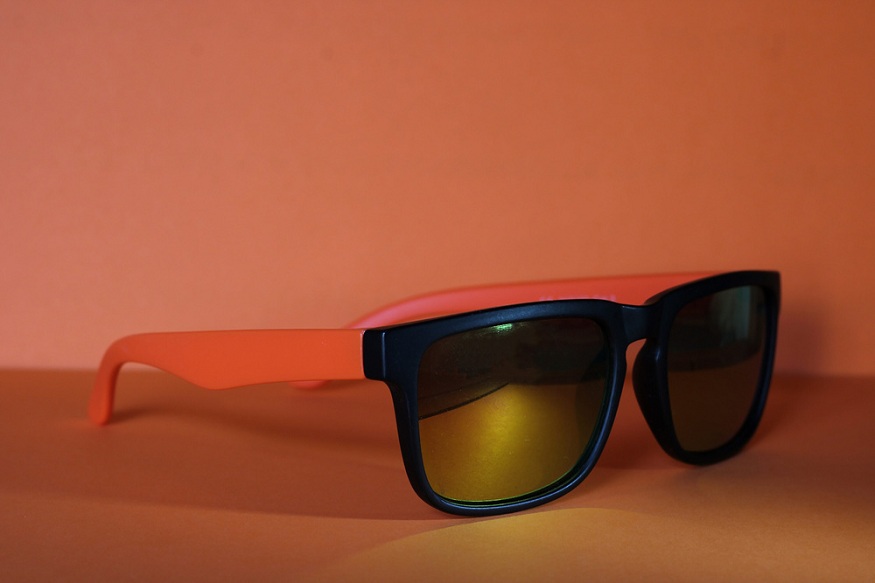
Quality still matters at low price points. Accessories that break immediately destroy customer trust. The earring that tarnishes overnight won’t generate repeat business. Finding suppliers who balance affordability with durability requires research and relationship building. Working with established wholesalers streamlines this process significantly. When retailers need discount sunglasses that actually last, companies like OE wholesale sunglasses provide reliable inventory at prices that maintain healthy margins while keeping retail costs attractive to customers.
Minimum orders can make or break accessory programs. Some suppliers demand quantities that make little sense for smaller stores. Others understand that flexibility helps everyone succeed. Testing new items with small orders reduces risk while revealing what resonates with specific customer bases.
Measuring Success
Track accessory sales separately from other categories. Monitor which styles move quickly versus those that linger. Notice patterns in timing, placement, and customer demographics. This data shapes future buying decisions and display strategies. Average transaction values tell important stories. Did adding accessories near the register increase overall sales? What items are often bought together? These insights influence inventory and merchandizing.
Conclusion
Accessories provide retailers with a low-risk profit boost. They need little investment, are profitable, and satisfy customers. Intelligent retailers know that adding these small things to what they sell results in unexpectedly high profits. Success stems from viewing accessories as strategic revenue generators, not afterthoughts.